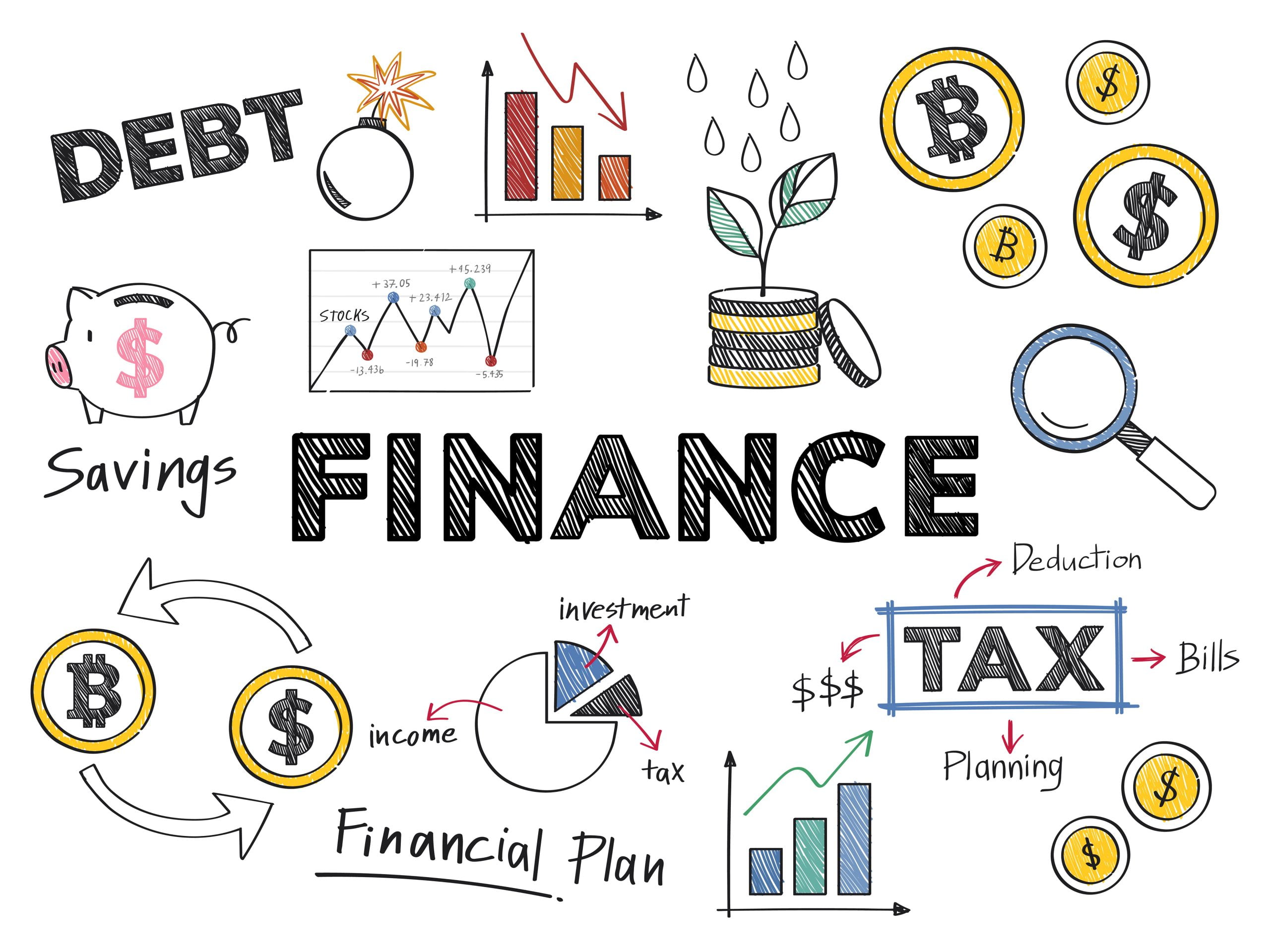
When it comes to life's biggest moments, you probably had a plan. Your family vacation, for example, followed a timeline, a budget—and some compromise and conversation. Creating a personalized financial plan follows the same logic.
Not everyone is at the same stage in their financial journey. Perhaps you’ve mastered the art of building an emergency savings fund and paying down debt. Or maybe you’ve never even thought about a budget, much less a financial plan. The information, steps, and links below take you through the foundation of a financial plan, all the way through more complex goals and priorities.
From the groceries you need to the retirement you want and the car repair bill that’s looming, th
ese ideas can help you balance long-term dreams with short-term wants and unexpected events. Plus,
it’s adaptable—because the best financial plans evolve through job changes and life’s challenges. Figure out where you are on this list, and get started.
Set financial goals
Before calculating how you’ll accomplish something, you need to decide why you want to do it in the first place—your goal. The same is true with a financial plan: You need to identify what you want to achieve financially and why. They may be highly specific or kind of generic, such as:
-
Saving a 20% down payment on a new home
-
Establishing a college education fund for your children
-
Paying down or minimizing debt
-
Launching a small business
Once you’ve created a list of goals, you can probably sort them into three time-frame buckets. Those are:
1
Short-term financial goals (six months to five years)
What can accomplish relatively quickly? This may include paying down a debt and starting an emergency fund.
2
Mid-term financial goals (five to 10 years)
These financial goals probably feel relatively achievable, but may take a little bit of planning and saving. For example, you may have to gradually put money aside for a down payment on a home
3
Long-term goals (10+ years)
The difficult part of a long-term goal is, while it is far enough in the future to feel less tangible, it’s probably also big enough that you’ll have an easier time reaching it if you start planning now—for example, paying for a few years of college tuition. It may take insight from someone like a financial professional to help
4
Build an emergency fund
Choose where you’ll save. Emergency funds are designed to be accessible, but not impulsive. Perhaps it’s as simple as a separate savings account